KanBo – The Pharma-Focused Work Coordination Maestro
Experience ultimate task alignment, communication and collaboration
Trusted globally, KanBo, bridges the gap between management and engineering in complex pharmaceutical organizations. Seamless coordination, advanced project planning, and outstanding leadership are made possible through our versatile software. Stride toward your mission-critical goals with superior collaboration and communication.
Regulatory Compliance in the Pharma industry
Executive-Engineering: Enhancing Work Coordination in the Pharmaceutical Industry with KanBo
In today’s fast-paced and highly regulated pharmaceutical industry, efficient work coordination is essential for success. The effective management of tasks, communication, and collaboration across functions and teams can make a significant difference in productivity, quality, and regulatory compliance. This is where KanBo comes into play.
KanBo is a powerful work coordination and business process management software that is specifically designed to enhance work coordination in the pharmaceutical industry. Its focus on task alignment, communication, and collaboration enables seamless coordination across functions, facilitates efficient project planning, boosts communication, enhances leadership, and aids in pharmaceutical engineering tasks.
One of the key benefits of KanBo is its ability to provide a comprehensive overview of the project lifecycle. With KanBo, pharmaceutical companies can streamline their operations, improve cross-functional collaborations, and upgrade leadership efficiency. The software ensures effective resource allocation, enables timeline creation, and facilitates task assignment. Additionally, it offers real-time visibility into operations, allowing teams to monitor progress and make necessary adjustments along the way.
One of the critical areas where KanBo can make a significant impact is in ensuring regulatory compliance. The pharmaceutical industry operates under strict regulations, and any non-compliance can have severe consequences. KanBo’s features and functionalities are designed to assist pharmaceutical companies in meeting regulatory requirements and maintaining high levels of compliance.
By leveraging KanBo, pharmaceutical companies can effectively plan, execute, and report commissioning and qualification (C&Q) deliverables for projects. The software enables the development of protocols, review and approval of reports, and ensures compliance with regulatory requirements. With KanBo, teams can coordinate with stakeholders, manage resources and schedules, and ensure the timely and accurate issuance of reports to support project metrics.
In addition to compliance oversight, KanBo also facilitates problem resolution. The software allows for the oversight and assignment of work, ensuring that a wide range of problems related to compliance can be addressed on a day-to-day basis. From managing contractors to trending data and addressing deviations, KanBo provides the necessary tools and functionalities to handle compliance-related issues efficiently.
Furthermore, KanBo enables seamless interfacing with global and local stakeholders, ensuring effective coordination and collaboration. The software allows for the representation of validation methodology and outputs during compliance quality and regulatory inspections. Pharmaceutical companies can benefit from KanBo’s capabilities in conducting trainings, maintaining change control systems for projects, and interfacing with stakeholders to ensure compliance.
In conclusion, KanBo is a powerful work coordination and business process management software that aims to enhance work coordination in the pharmaceutical industry. By focusing on task alignment, communication, and collaboration, KanBo streamlines operations, improves cross-functional collaborations, and upgrades leadership efficiency. The software provides a comprehensive overview of the project lifecycle, ensures regulatory compliance, and enables effective problem resolution. With KanBo, pharmaceutical companies can enhance their productivity, maintain high levels of compliance, and achieve success in the dynamic and regulated pharmaceutical industry.
The extracted information from the employee position description highlights the daily activities, tasks, and routines related to regulatory compliance in the pharmaceutical industry.
Introduction:
The pharmaceutical industry is highly regulated, and companies need to coordinate their activities to ensure compliance with various regulatory requirements and quality standards. Effective coordination and collaboration are essential to meet compliance objectives and maintain a high level of productivity and efficiency.
Challenge and Solution:
To address the challenge of regulatory compliance in the pharmaceutical industry, KanBo can provide a solution by offering work coordination and business process management software. KanBo enables large, international organizations to improve their efficiency and productivity by providing tools to create, assign, and track tasks, collaborate and communicate with team members, and generate reports and analytics to monitor progress and performance.
Daily Activities, Tasks, and Routines related to Regulatory Compliance:
1. On-site C&Q activities in line with GDP, GEP & CGMP principles:
The C&Q Engineer is responsible for conducting commissioning and qualification activities on-site while ensuring compliance with the Good Distribution Practice (GDP), Good Engineering Practice (GEP), and Current Good Manufacturing Practice (CGMP) principles. This involves planning, developing, and executing commissioning and qualification deliverables for projects.
2. Driving a team of Validation/Verification, Commissioning Engineers/subject matter experts:
The C&Q Engineer will lead and manage a team of validation/verification and commissioning engineers/subject matter experts, guiding them in performing commissioning and qualification activities for equipment, utility systems, facilities, and automation systems. This includes assigning work, providing oversight, and ensuring compliance with regulatory requirements.
3. Development of protocols and reports:
The C&Q Engineer is responsible for developing moderate to highly complex protocols for validation projects using a risk-based approach that meets regulatory requirements and industry practices. They also need to develop reports such as Factory Acceptance Test (FAT), Installation Qualification (IQ), Operational Qualification (OQ), Performance Qualification (PQ) Summary Reports, and Engineering Change Requests.
4. Review and approval of protocols, reports, and associated deviations:
The C&Q Engineer reviews and approves protocols, reports, and associated deviations as applicable. This involves ensuring the accuracy and compliance of these documents and resolving any deviations or discrepancies that may arise during the validation process.
5. Management of contractors, scheduling, resources, and budget:
The C&Q Engineer is responsible for managing contractors, scheduling activities, allocating resources, and ensuring optimal utilization of the budget. This involves coordinating with different stakeholders and ensuring that all activities are carried out within the planned timeline and budget.
6. Trending of data and issuance of reports:
The C&Q Engineer tracks and trends data related to commissioning and qualification activities, ensuring that reports are issued in a timely and accurate manner. This data analysis helps support project metrics and enables effective decision-making.
7. Maintenance of master plans and inventory of systems:
The C&Q Engineer maintains master plans, which outline the overall strategy and approach for commissioning and qualification activities. They also manage the inventory of systems, ensuring accurate documentation of all systems involved in the validation process.
8. Interfacing with global/local stakeholders for compliance:
The C&Q Engineer interfaces with global and local stakeholders to ensure compliance with regulatory requirements and industry practices. They represent the validation methodology and outputs during compliance quality/regulatory inspections, providing necessary documentation and information.
9. Conducting training and maintaining change control system:
The C&Q Engineer conducts training as required to ensure that all team members are knowledgeable about the validation process and compliant with regulatory requirements. They also maintain a change control system for projects, ensuring that any changes are properly documented, reviewed, and approved.
10. Project development and implementation:
The C&Q Engineer is responsible for ensuring that projects go through their various stages of scope, definition, approval, and implementation. This involves actively monitoring the progress of projects, coordinating with different teams, and ensuring timely and successful project completion.
11. Sharing and leverage of best practices and expertise:
The C&Q Engineer ensures the sharing and leveraging of best practices and expertise within the organization’s engineering community. This helps improve efficiency, productivity, and overall compliance with regulatory requirements and quality standards.
In summary, the daily activities, tasks, and routines related to regulatory compliance in the pharmaceutical industry involve planning, executing, and reporting on commissioning and qualification deliverables, managing a team, developing protocols and reports, reviewing and approving documentation, resolving problems, coordinating with stakeholders, conducting training, maintaining change control systems, and ensuring compliance with regulations and industry standards. The use of KanBo software can streamline and enhance these activities, ensuring effective coordination, collaboration, and regulatory compliance throughout the organization.
Q&A
1. Question: How can KanBo software aid in enhancing work coordination in the pharmaceutical industry?
Answer: KanBo software enhances work coordination in the pharmaceutical industry by focusing on task alignment, communication, and collaboration. It provides a comprehensive overview of the project lifecycle, streamlines operations, improves cross-functional collaboration, and boosts leadership efficiency.
2. Question: How does KanBo software ensure regulatory compliance in the pharmaceutical industry?
Answer: KanBo software aids pharmaceutical companies in meeting regulatory requirements and maintaining compliance. It enables effective planning, execution, and reporting of commissioning and qualification (C&Q) deliverables. The software helps in developing protocols, reviewing and approving reports, and ensuring compliance with regulatory standards.
3. Question: What are some of the key features of KanBo software that facilitate problem resolution and effective coordination with stakeholders?
Answer: KanBo software offers tools and functionalities that help in problem resolution and effective coordination with stakeholders. It allows for the oversight and assignment of work, enables the management of contractors, trending of data, and addressing deviations. The software also supports conducting trainings, maintaining change control systems, and interfacing with stakeholders to ensure compliance with regulatory requirements.
In addition to streamlining regulatory compliance processes in the pharmaceutical industry, KanBo offers a wide range of features and benefits that go beyond just ensuring adherence to regulations. While regulatory compliance is important for the industry, it is equally crucial for pharmaceutical companies to enhance their overall work coordination, communication, and collaboration to achieve operational excellence.
KanBo provides a comprehensive platform that enables cross-functional teams to align their tasks, collaborate effectively, and communicate seamlessly. With its user-friendly interface and intuitive features, KanBo empowers individuals and teams to work together more efficiently and achieve their goals.
One of the key advantages of using KanBo is its ability to facilitate efficient project planning and management. The software allows users to create, assign, and track tasks, set deadlines, and monitor progress in real-time. This ensures that projects stay on track and are completed within the set timeframe, leading to increased productivity and improved project outcomes.
Moreover, KanBo enhances leadership within the pharmaceutical industry by providing real-time visibility into project progress and performance. Leaders can gain insights into team activities, identify bottlenecks, and make informed decisions to overcome challenges and drive success. This level of transparency fosters a culture of accountability and empowers leaders to make data-driven decisions that align with the company’s goals.
KanBo also supports efficient resource allocation, allowing teams to manage their resources effectively. By providing a centralized platform to assign and track resources, KanBo helps teams optimize their workflows and avoid resource conflicts. This ensures that the right resources are available at the right time, leading to improved efficiency and cost-saving benefits for pharmaceutical companies.
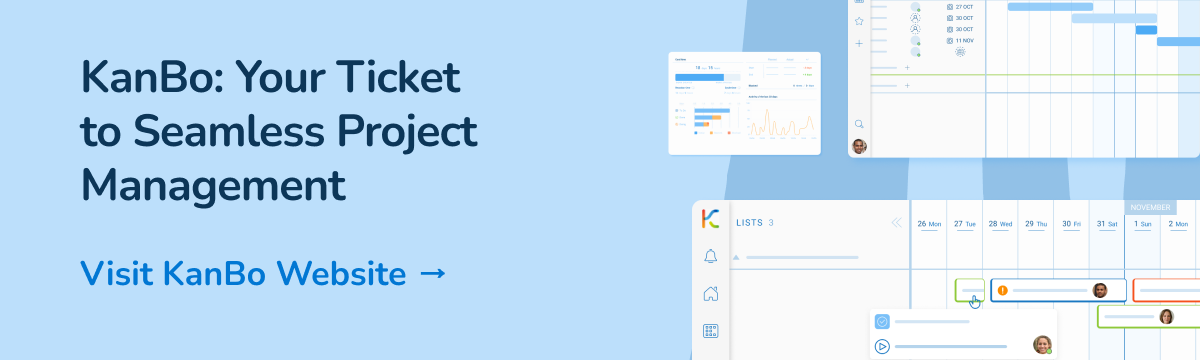
Additionally, KanBo offers various views and tools to enhance work coordination and visualization. Features such as the Gantt chart view and mind map view enable teams to visualize their projects, identify dependencies, and plan tasks effectively. This comprehensive overview of the project lifecycle helps teams identify potential issues early on and take proactive measures to mitigate risks.
In summary, KanBo is more than just a tool for regulatory compliance in the pharmaceutical industry. It is a powerful work coordination and business process management software that can transform the way pharmaceutical companies operate. By enabling effective task alignment, communication, and collaboration, KanBo empowers teams to excel in their work, enhance leadership efficiency, and drive overall operational excellence.