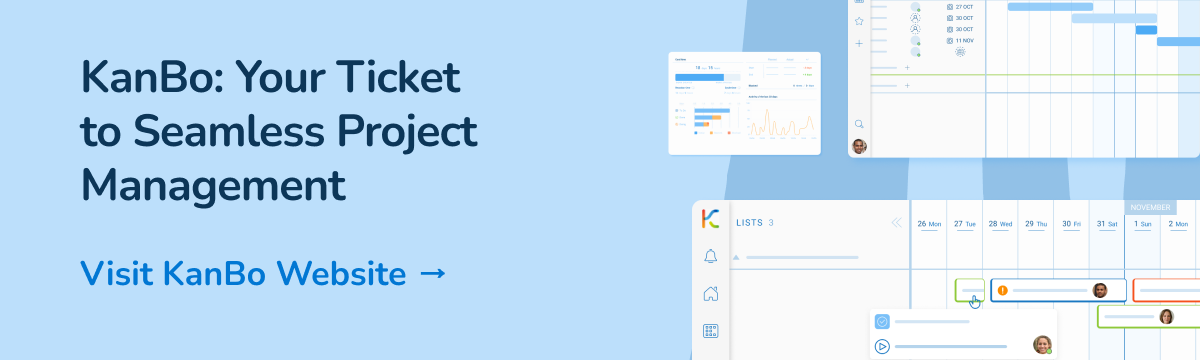
KanBo – The Pharma-Focused Work Coordination Maestro
Experience ultimate task alignment, communication and collaboration
Trusted globally, KanBo, bridges the gap between management and engineering in complex pharmaceutical organizations. Seamless coordination, advanced project planning, and outstanding leadership are made possible through our versatile software. Stride toward your mission-critical goals with superior collaboration and communication.
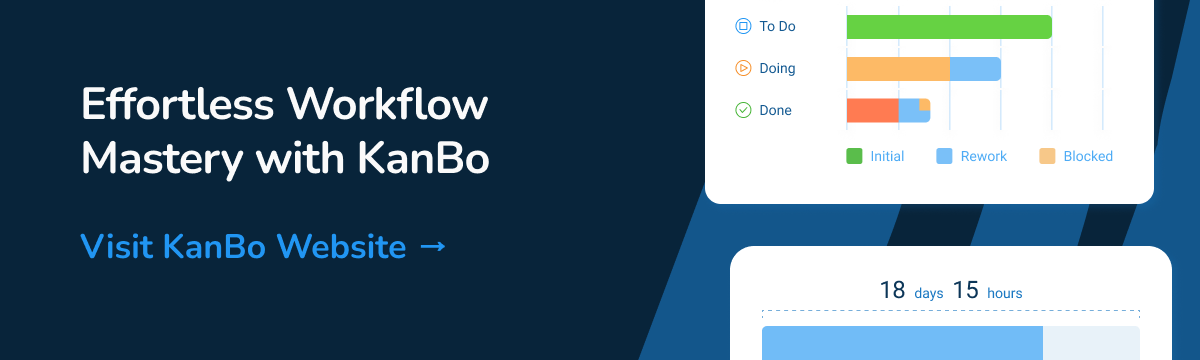
Enhancing Work Coordination in the Pharmaceutical Industry: The KanBo Solution
Introduction:
In the fast-paced and highly-regulated pharmaceutical industry, effective work coordination is crucial for seamless operations and successful project outcomes. To address the complex challenges faced by pharmaceutical companies, KanBo offers a comprehensive work coordination platform designed to streamline operations and enhance leadership efficiency. By focusing on task alignment, communication, and collaboration, KanBo empowers organizations to improve cross-functional collaborations and achieve regulatory compliance while ensuring real-time project visibility. In this article, we explore how KanBo aims to enhance work coordination in the pharmaceutical industry and its potential benefits for Associate Director QC and Stability.
Streamlining Operations and Boosting Collaboration:
KanBo’s work coordination platform is specifically designed to seamlessly coordinate across functions within the pharmaceutical industry. By facilitating efficient project planning and task assignment, KanBo ensures effective resource allocation and timeline creation. With the ability to create, assign, and track tasks, team members can collaborate and communicate in real-time, enabling a more agile and interconnected work environment. Through the platform’s intuitive interface, pharmaceutical organizations can automate workflow processes, reducing manual errors and improving overall operational efficiency.
Real-Time Project Visibility and Leadership Enhancement:
One of the key features offered by KanBo is real-time project visibility. With the ability to generate reports and analytics, Associate Director QC and Stability can stay updated on project progress, monitor performance, and identify potential bottlenecks. This level of transparency enables proactive decision-making and strategic planning to ensure projects remain on track. Additionally, KanBo’s platform enhances leadership efficiency by providing a comprehensive overview of the project lifecycle. With access to real-time data and insights, leaders can make informed decisions, address issues promptly, and allocate resources effectively.
Enhancing Regulatory Compliance:
In the pharmaceutical industry, regulatory compliance is of utmost importance. KanBo recognizes this critical aspect and offers specific functionality to aid in achieving and maintaining compliance. The software enables users to actively monitor and adhere to internal and regulatory requirements by centralizing documentation. Users can easily review and approve SOPs, analytical methods, and change controls while efficiently handling deviations and investigation reports. KanBo’s platform also assists in generating stability protocols, compiling data for annual product reviews, and facilitating effective quality release testing programs.
Conclusion:
KanBo’s work coordination platform offers a holistic solution for enhancing work coordination and improving operational efficiency in the pharmaceutical industry. By focusing on task alignment, communication, and collaboration, KanBo empowers organizations to streamline operations, improve cross-functional collaborations, and enhance leadership efficiency. With real-time project visibility, organizations can make data-driven decisions and ensure regulatory compliance. For Associate Director QC and Stability, KanBo offers a valuable tool to manage GxP oversight, monitor project timelines, uphold quality standards, and collaborate effectively. By leveraging the power of KanBo, pharmaceutical organizations can transform their work coordination processes, resulting in improved productivity, optimized resource allocation, and ultimately, better business outcomes.
The Associate Director QC and Stability Specialty Care External Supply Quality (SCES Q) is responsible for ensuring compliance with internal and regulatory requirements in the pharmaceutical industry. They collaborate with cross-functional teams and manage quality assurance issues to maintain regulatory compliance and ensure product quality and safety.
Some of the daily activities, tasks, and routines related to regulatory compliance are:
1. Internal and Regulatory Compliance: The Associate Director QC and Stability SCES Q ensures compliance with internal and regulatory requirements, including reviewing and approving documentation such as SOPs, analytical test methods, change controls, deviations, CAPAs, and OOS/OOT investigation reports. They actively monitor and oversee the implementation of quality systems and applications to ensure adherence to regulatory requirements.
2. Collaboration with Cross-Functional Teams: The Associate Director QC and Stability SCES Q collaborates with senior management, peers, and teams to establish GxP priorities that align with business objectives. They participate in routine internal and external operations meetings and provide subject matter expertise in cross-functional teams. Effective interaction with departments such as Manufacturing Operations, Regulatory Affairs, Manufacturing Sciences and Technology, and Supply Chain is ensured.
3. Managing Quality Assurance Issues: The Associate Director QC and Stability SCES Q supports the resolution of complex Quality Assurance issues by working closely with internal and external cross-functional teams. They provide subject matter expertise to deviations and investigations, communicate the impact to quality operations, and drive closure and implementation of effective Corrective and Preventive Actions (CAPAs). They also own key performance indicators related to their area of responsibility and maintain department and project metrics.
4. Oversight of Contract Laboratory Organizations (CLOs): The Associate Director QC and Stability SCES Q is responsible for providing GxP oversight for CLOs used in product release and stability testing. They ensure that trained resources are available to support method transfers, qualifications, and analytical lifecycle management. The management of the supply of critical reagents and controls is also part of their duties.
5. Managing Stability and Quality Release Testing Programs: The Associate Director QC and Stability SCES Q manages the operation of stability and quality release testing programs across parts of a multi-product portfolio. They ensure timelines are met to meet corporate goals and generate, review, and approve release Certificate of analysis from external testing results. They also originate ICH compliant stability protocols and reports and contribute to the stability and quality sections of the Annual Product Review.
6. Documentation and Reporting: The Associate Director QC and Stability SCES Q collaborate with quality, internal functional areas, and CLOs to generate, review, and approve documentation, including SOPs, analytical test methods, change controls, deviations, CAPAs, and OOS/OOT investigation reports. They compile and generate stability data tables and reports for commercial and clinical products for the Annual Product Review. They also maintain department and project metrics and ensure compliance with regulatory requirements.
Overall, the daily activities of the Associate Director QC and Stability SCES Q involve ensuring compliance with internal and regulatory requirements, collaborating with cross-functional teams, managing quality assurance issues, and overseeing the stability and quality release testing programs.
Q&A
Q1: How can KanBo’s work coordination platform streamline operations in the pharmaceutical industry?
A1: KanBo’s work coordination platform streamlines operations in the pharmaceutical industry by facilitating efficient project planning, task assignment, and resource allocation. It automates workflow processes, reducing manual errors and improving overall operational efficiency.
Q2: How does KanBo’s real-time project visibility feature benefit Associate Director QC and Stability in the pharmaceutical industry?
A2: KanBo’s real-time project visibility allows Associate Director QC and Stability to stay updated on project progress, monitor performance, and identify potential bottlenecks. This level of transparency enables proactive decision-making and strategic planning to ensure projects remain on track.
Q3: How does KanBo assist in achieving and maintaining regulatory compliance in the pharmaceutical industry?
A3: KanBo assists in achieving and maintaining regulatory compliance by centralizing documentation and actively monitoring adherence to internal and regulatory requirements. It aids in reviewing and approving SOPs, analytical methods, change controls, and handling deviations and investigation reports. KanBo also facilitates stability protocol generation, compiling data for annual product reviews, and effective quality release testing programs.
Did you know that KanBo is more than just a tool for Regulatory Compliance in the Pharmaceutical industry? While KanBo excels at helping companies in the pharma industry stay compliant with regulatory requirements, its capabilities go far beyond that.
In addition to ensuring adherence to regulatory standards, KanBo provides pharma companies with a range of features designed to streamline operations, boost collaboration, and enhance overall productivity. With KanBo, teams can easily align tasks, communicate effectively, and collaborate seamlessly across functions.
One of the key strengths of KanBo is its ability to facilitate efficient project planning. It enables teams to create timelines, allocate resources, and assign tasks with ease. The intuitive interface makes it simple to track progress and make adjustments as needed, ensuring that projects stay on track and deadlines are met.
Furthermore, KanBo provides real-time visibility into project activities, allowing leaders to have a comprehensive overview of the project lifecycle. With access to up-to-date information on task status, dependencies, and milestones, leaders can make informed decisions and provide timely guidance to their teams.
KanBo also offers various views, such as Gantt charts and mind maps, to help visualize projects and identify bottlenecks or areas for improvement. This visual representation allows for better agility and enables teams to proactively address any issues that may arise.
In addition to these project management capabilities, KanBo supports pharmaceutical engineering tasks by providing features such as document templates, document sources, and document references. This ensures that important documentation is organized, easily accessible, and connected to relevant tasks or projects.
By leveraging KanBo’s comprehensive set of features, pharmaceutical companies can not only improve coordination and collaboration but also enhance leadership effectiveness. With KanBo, organizations can create an invincible culture where employees feel empowered and take ownership of their work. The software helps maximize the time available for important tasks and fosters innovation and excellence within the team.
In conclusion, KanBo is much more than a regulatory compliance tool. It is a powerful work coordination and business process management software that can revolutionize the way pharmaceutical companies operate. From project planning to resource management, collaboration, and document organization, KanBo provides the necessary tools to drive efficiency and productivity in the pharmaceutical industry.